Foundation Cracks: When to Worry in North Texas
Almost every home in North Texas has a crack somewhere. The region sits on expansive clay that swells when it gets wet and shrinks when it dries out, and that constant movement shows up in slabs, brick, and drywall. Most small cracks are harmless. Some are early signs of a foundation that needs attention. Here is how to tell the difference.
Why North Texas Foundations Move
Much of Dallas–Fort Worth is built on Blackland Prairie clay. After heavy rain, the clay soaks up water and swells. During a long, hot summer, it dries out, shrinks, and pulls away from the slab. When one side of a house stays wetter than the other, from a leaky downspout, a slope toward the house, or a large tree pulling moisture out of the soil, the slab moves unevenly. That uneven movement is what causes most foundation problems here.
Cracks That Are Usually Normal
- Thin, hairline cracks in the garage floor or slab that are not growing
- Small vertical cracks in drywall that appear after the house goes through a season change
- Minor settling cracks in a newer home's first few years
Keep an eye on them. Mark the ends with a pencil and date them, and check again in a few months.
Signs of Foundation Problems Worth Checking
- Stair-step cracks in brick that follow the mortar lines up the wall
- Diagonal cracks running from the corners of doors and windows
- Doors that stick, will not latch, or swing open or shut on their own
- Gaps between the brick and window frames, or between baseboards and the floor
- Sloping or uneven floors, or cabinets pulling away from the wall
- Cracks that keep growing, or several of these signs showing up together
One sign alone does not mean you have a cracked foundation that needs repair. Several at once, or cracks that keep getting wider, are a good reason to have the foundation evaluated.
Pier-and-Beam Homes
Older homes in some neighborhoods sit on pier-and-beam foundations instead of a slab. Warning signs there include bouncy or sagging floors, doors that drift, and gaps at the baseboards. These foundations can often be adjusted or shimmed rather than lifted.
Keeping Water Under Control
The best thing you can do for a foundation on clay is keep moisture even around the house. Make sure your gutters are sized correctly and clear, extend downspouts several feet from the slab, and keep the soil sloping away from the house. During long droughts, steady watering near the foundation can help limit shrinkage.
What an Evaluation Looks Like
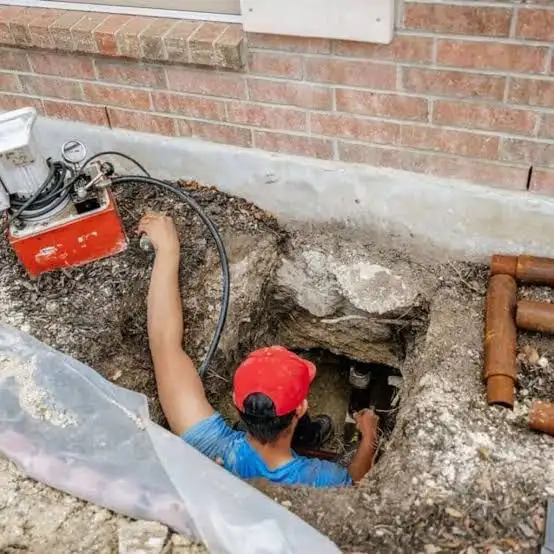
Our foundation repair team checks the home inside and out, measures how much and where the slab has moved, and looks at drainage around the house. If a repair is needed, it may include piers installed under the slab to support and lift low areas, drainage corrections, or both. You get a written recommendation before any work begins. Se habla español.
Call (682) 400-6163 to schedule a foundation evaluation anywhere in Dallas–Fort Worth.