- Home
- /
- Services
- /
- Commercial Roofing
- /
- Modified Bitumen & Built-Up Roofing
Modified Bitumen & Built-Up Roofing in Dallas–Fort Worth, TX
Modified bitumen and built-up roofing are the asphalt-based flat roofs on a large share of older commercial buildings in Dallas–Fort Worth: the gravel roof on a 1970s strip center, the granule cap sheet on a church education wing, the multi-ply roof over a warehouse. Different Roofing installs new modified bitumen roofs, handles built-up roof repair and modified bitumen roof repair, and helps owners decide when an old asphalt roof is still worth saving. Every job starts with a free inspection.
Call (682) 400-6163 Text usText (682) 400-6163
What Is a Modified Bitumen Roof?
A modified bitumen roof is built from asphalt that has been blended with polymers to make it tougher and more flexible than plain roofing asphalt. There are two main types. SBS (styrene-butadiene-styrene) gives the sheet a rubber-like stretch, and APP (atactic polypropylene) makes a stiffer, plastic-like sheet that handles heat well. The rolls are reinforced with polyester or fiberglass and go down in at least two plies: a base sheet, then a cap sheet with mineral granules on top. The granules shield the asphalt from the sun, and white granules make for a cooler roof.
What Is Built-Up Roofing?
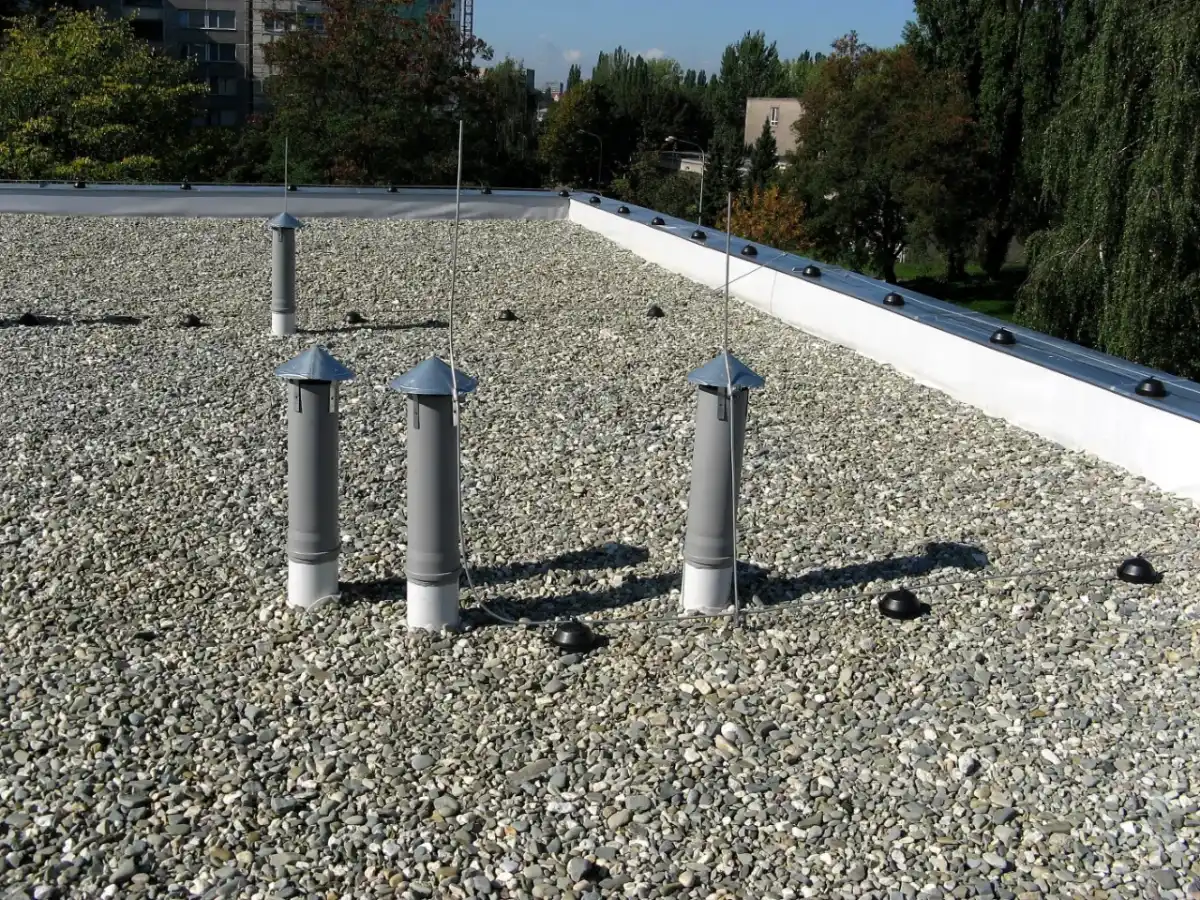
Built-up roofing, or BUR, is the original flat roof. It is made of alternating layers of hot asphalt and roofing felt, usually three to five plies, finished with a flood coat and gravel or with a mineral-surfaced cap sheet. Some older buildings have coal tar pitch instead of asphalt. The strength of built-up roofing is redundancy: if the top ply is breached, there are more plies underneath. Many older commercial buildings around DFW still have a BUR, and some have a second roof installed right on top of the first.
How We Install Modified Bitumen and Built-Up Roofs
- Inspection and cores. We measure, count the existing roofs and cut test cores to check the insulation. Two roofs already on the building, or wet insulation, means a tear-off.
- Deck and insulation. Damaged deck is replaced, then insulation goes down with tapered panels and crickets so water reaches the drains and scuppers.
- Base sheet. The first ply is fastened or adhered to create a solid foundation for the plies above it.
- Plies and cap sheet. For modified bitumen, the cap sheet goes on with its side and end laps offset from the base sheet so no seam lines up. For built-up roofing, felts are set in hot asphalt in overlapping layers, then finished with a flood coat and gravel or a cap sheet.
- Attachment method. We pick the method that suits the building. Self-adhered sheets and cold-applied adhesive use no open flame and make little odor, which suits occupied buildings and restaurants. Hot-mopped asphalt and torch-applied sheets are proven methods on larger, open roofs.
- Flashings and edge metal. Walls and curbs get two-ply flashings, and pipes, drains and scuppers are stripped in before new edge metal or coping goes on.
How Long Do These Roofs Last?
A modified bitumen roof typically lasts about 15 to 25 years, and a built-up roof about 20 to 30 years. On these roofs, the sun is the main enemy. Once the granules or gravel wear thin, UV dries out the asphalt and it starts to crack. Roofs that drain well, keep their surfacing and get looked at every spring and fall last the longest. Ponding water shortens the life of any asphalt roof, so fixing low spots and clogged drains is often the best money an owner can spend.
Modified Bitumen Pros and Cons
Pros:
- Thick, multi-ply roof that handles foot traffic well
- Granule surface stands up to sun and moderate hail
- Can be installed without an open flame using self-adhered or cold-applied sheets
- Patches easily with compatible asphalt products
Cons:
- Shorter typical lifespan than single-ply membranes
- Seams and laps can open if the sheet was not fully bonded
- Dark cap sheets absorb heat unless the granules are white or the roof is coated
- Heavier than single-ply roofing
Built-Up Roofing Pros and Cons
Pros:
- Several plies of protection, so one breach does not always mean a leak
- Gravel surfacing shields the asphalt and resists foot traffic
- Long track record on commercial buildings
Cons:
- Heavy, which matters on older structures
- Hot asphalt installation brings kettles, fumes and odor
- Gravel hides problems and makes leaks harder to find
- Coal tar and asphalt roofs need different repair materials
Modified Bitumen Roof Repair
Modified bitumen roof repair usually means fixing laps that have opened, blisters, cracked or alligatored cap sheet where the granules have worn away, and flashings that have slumped down a wall. We cut out blisters and soft areas, dry and clean the old surface, and install a new piece of base and cap sheet that overlaps sound roof on every side. Open laps are cleaned and resealed, and bare areas get a granule-matched cap so the patch is protected from the sun like the rest of the roof.
Built-Up Roof Repair
Built-up roof repair starts with finding the leak, which takes patience on a gravel roof because the stain inside is often far from where water gets in. We sweep back the gravel, open up the damaged plies, and rebuild them in layers with felt and compatible asphalt or coal tar, since the two do not mix. Then the flood coat and gravel go back over the repair. Pitch pans around pipes and supports, cracked flashings and clogged scuppers are common sources of leaks on older BUR, and we check all of them while we are up there.
Repair, Replace or Coat?
Repair makes sense when the damage is in a few areas and the rest of the roof is dry and holding its surfacing. A roof coating can add years to a granule-surfaced modified bitumen roof that is weathered but sound. Gravel-surfaced built-up roofs need the loose gravel removed and the surface prepared before a coating, which adds cost, so we compare that price with a new roof. Replacement is the better call when cores show wet insulation, the roof has blistered or cracked across large areas, or there are already two roofs on the building. Sometimes the right answer is a new roof of a different type, such as TPO or PVC, and we will lay out the options side by side.
Signs Your Modified Bitumen or Built-Up Roof Is Failing
- Blisters or bubbles in the cap sheet or between plies
- Alligator cracking where the surface has dried out
- Bare spots with no granules or gravel
- Exposed felts or reinforcement showing through
- Laps and seams that have opened at the edges
- Flashings sagging or pulling away from parapet walls
- Ponding water, soft spots underfoot or stained ceiling tiles inside
Hail and Storm Damage on Asphalt Flat Roofs
On a modified bitumen roof, hail knocks granules loose and can bruise the sheet, leaving soft spots where the reinforcing mat underneath has fractured. On a built-up roof, gravel absorbs some of the impact, but large hail can still crack the flood coat and plies and scatter the gravel, leaving bare asphalt exposed to the sun. Wind tends to lift edge metal and peel up the perimeter first. After a storm we walk the full roof, check impacts by hand, cut cores where needed, and photograph granule loss, fractures, displaced gravel and damage to vents, edge metal and HVAC units. We then meet your insurance adjuster on the roof and walk it together. The adjuster decides on coverage; our part is documenting the damage thoroughly.
What Building Owners Should Expect
Asphalt roofing has more odor than single-ply, so we plan around it. When hot asphalt is used, kettles are set away from entrances and fresh-air intakes, and we coordinate with your building manager about rooftop units. For occupied buildings like restaurants, offices and churches, we often recommend self-adhered or cold-applied systems to keep odor down. Tear-off is scheduled around your hours, the roof is watertight at the end of every day, and the grounds are swept with magnets for nails and fasteners before we leave.
More Commercial Roofing Services
Modified bitumen and built-up roofing are part of a full range of commercial work. See PVC and EPDM roofing, TPO roofing, roof coatings, commercial metal roofing and commercial roof repair, or return to our commercial roofing overview. To schedule a free inspection of your modified bitumen or built-up roof anywhere in Dallas–Fort Worth, call (682) 400-6163.